State of open source in the Global South
What about the next million innovators? A survey of software developers in low- and middle-income countries who are using, building with, and creating open source software.
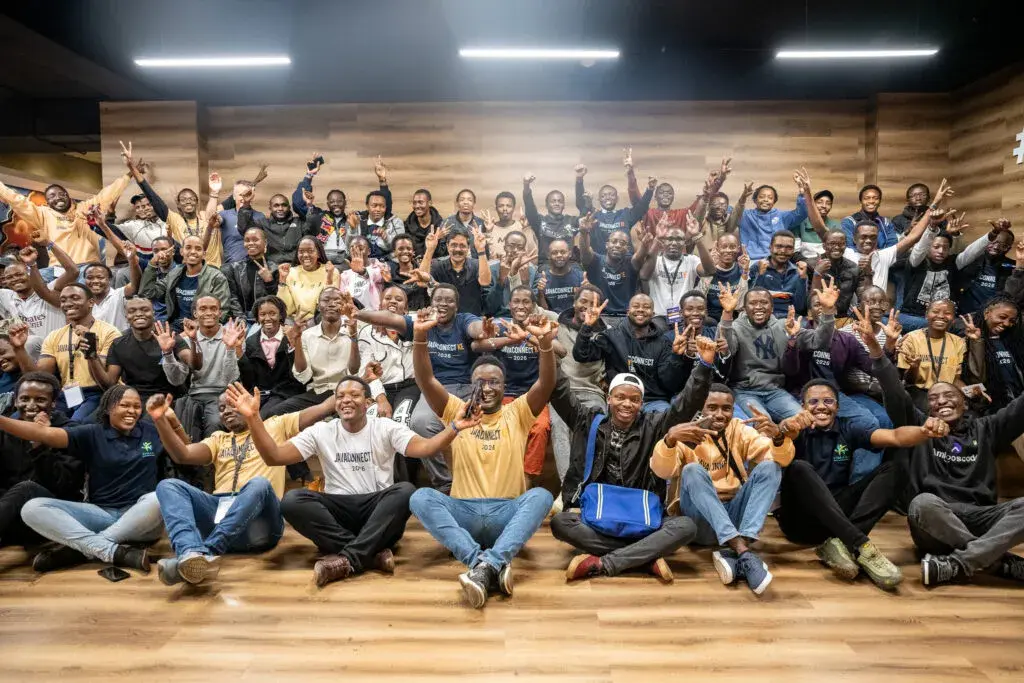
Open source software has transformed the global technology landscape
From online shopping, to browsing the internet, to reading this report on a phone with an open source operating system, billions of people engage with and consume open source software daily. If you’re reading this report, you’re keenly aware of the role open source plays in fueling the global economy.
For a decade or more, numerous articles have been written about “the next billion consumers,” the digital native consumers from the Global South1 who will play a central role in the global economy in the coming decades. But we sought to answer different questions: What about the next million innovators? What about the software developers in low-and middle-income countries who are using, building with, and creating open source software? How are they using open source? What are their motivations? What are their challenges? What is the nature of their innovations? How is it shaping their careers, and how does that impact their lives and the societies in which they live?
We believe this community’s voice has a vital contribution to make to the conversation.
¹ The UN Conference on Trade and Development (UNCTAD) defines the Global South as a region comprising developing and emerging industrial economies in Africa, Asia, the Caribbean, and Latin America.
Our primary objectives with this study are to:
- 01Explore attitudes and opinions of developers in the Global South.
- 02Amplify a growing, important, and underrepresented community.
- 03Investigate how software developers in the Global South interact with OSS and how it impacts their careers and professional development.
- 04Understand how OSS not only shapes their professional lives, but also creates positive impacts on society, economic growth, and community development.
- 05Contribute to a public understanding of how open source and its developers can be supported in the Global South.
18 countries across the Global South
Selected for having some of the fastest-growing developer communities globally, according to GitHub’s State of the Octoverse report. Select a region.
To achieve these goals, we conducted a comprehensive survey [Methodology] across the selected countries, capturing perspectives from a broad cross-section of developers with varying levels of OSS exposure and proficiency. This approach enabled us to identify key drivers, barriers, and innovative use cases emerging from Global South OSS communities.
We hope the insights from this research will guide policymakers, businesses, and other stakeholders in the Global South on how to support OSS communities in their regions, fostering local innovation and contributing to the global open source ecosystem.
The OSS ecosystem in the Global South is thriving. Participation is active, and adoption is widespread.
How developers participate
More than three-quarters of respondents (77%) report using OSS, underscoring a robust foundation for innovation and engagement. Beyond consumption, these developers are also actively contributing.
What would make their OSS experience better
Driving OSS adoption in the region involves a multifaceted approach of informing, empowering, and supporting users. These developers tell us exactly what they need in order to improve the experience of using open source.
Significantly, 61% of respondents link open source to career growth opportunities, recognising the benefits of both using and contributing to OSS projects. Engaging with OSS fosters accelerated learning, which leads to career advancement, and more learning, and more advancement creating a virtuous cycle of usage and benefits from usage.
They recognise the value of OSS not only for themselves but also for their countries. The impact of OSS extends beyond the tech sector, driving economic and social growth (46%), fuelling tech innovation (33%), and improving access to education (31%). More mature OSS communities report broader positive impacts, including enabling women to build skills and advance their careers.
Policymakers recognise the United Nations’ role in promoting Digital Public Goods (DPGs) and view the UN as a facilitator for collaboration on OSS projects. They advocate for partnerships between the UN and OSS foundations to govern and promote DPG-qualifying initiatives.
According to the Digital Public Goods Alliance, digital public goods (DPGs) are openly licenced digital solutions that adhere to privacy and other applicable laws and best practices, do no harm, and help achieve the United Nations’ Sustainable Development Goals (SDGs). These goods are designed to be freely used, modified, and shared by anyone and can include software, data sets, AI models, standards, and content.
These findings highlight the transformative potential of OSS in the Global South — democratising access to cutting-edge technology, fostering skill development, and reducing inequalities. However, realising this potential requires concerted efforts. Collaboration among governments, donors, NGOs, OSS groups, foundations, and entrepreneurs is essential to providing the necessary infrastructure, mentorship, training, funding, and job opportunities, thereby nurturing the immense talent present in the Global South.
“In Malawi, OSS can play a role in empowering women by offering them opportunities to learn, contribute, and lead in the tech industry. Open source platforms often encourage community collaboration, allowing women to engage in projects and build their skills in a supportive environment.”
“OSS enables the creation of software solutions that address specific gender-related issues, such as applications focused on women’s health or educational resources aimed at closing the gender gap. OSS can play an important role in bridging the digital gender divide and get more girls in the ICT workforce.”
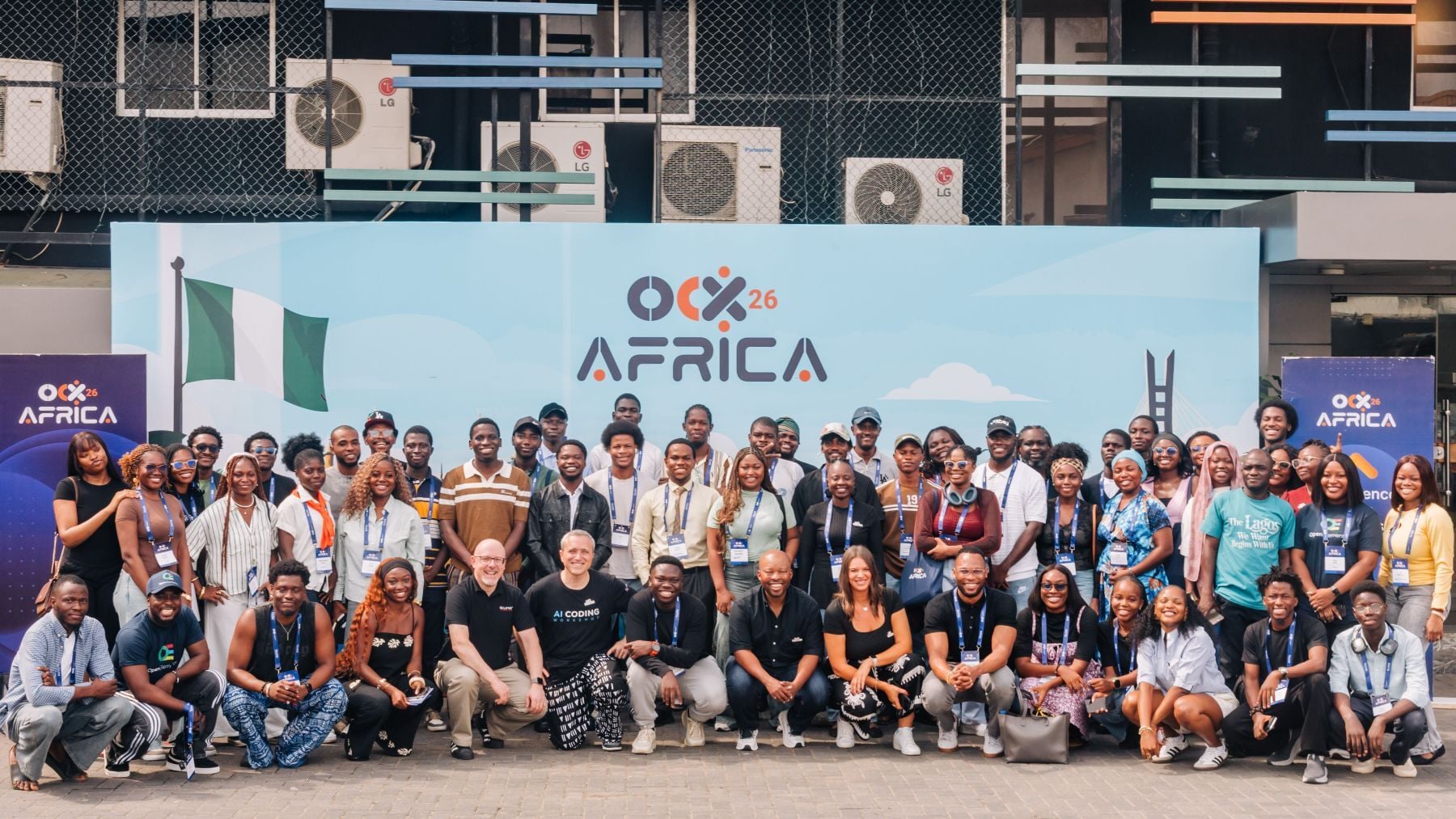
This research confirms that OSS has found significant traction in the Global South
Over three-quarters of respondents report using OSS and more than a third actively contribute to projects. Far from being mere consumers of OSS, developers in the Global South are actively shaping the future of technology. Among them, 39% report bugs and suggest feature enhancements, 37% contribute to OSS projects, and 22% create OSS projects and tech solutions tailored to local needs.
While these numbers are promising, they also highlight substantial growth potential, particularly in areas like project creation and maintenance, indicating untapped opportunities for increased engagement and innovation in these regions.
Why developers stay involved
OSS engagement is most commonly initiated through one’s job.
The value of OSS in the workplace
This not only streamlines projects but also facilitates continuous learning.
There was an associated, moderating effect between a country’s overall OSS maturity and the nature of a developer’s participation. In countries at earlier stages of OSS maturity, developers are more likely to experiment with OSS and use it as a hobby. In contrast, countries with higher levels of OSS maturity have more developers actively using OSS as part of their occupations.
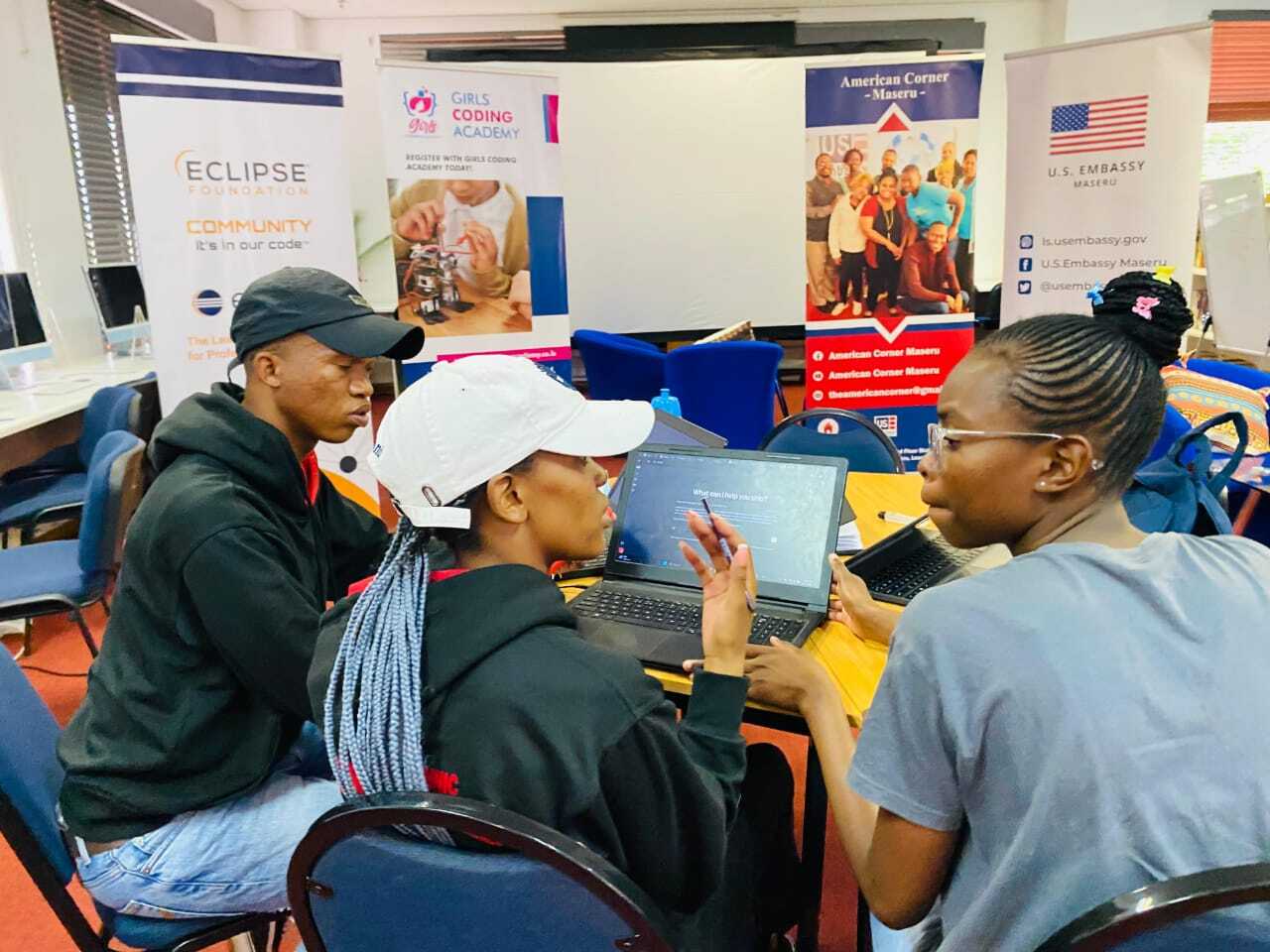
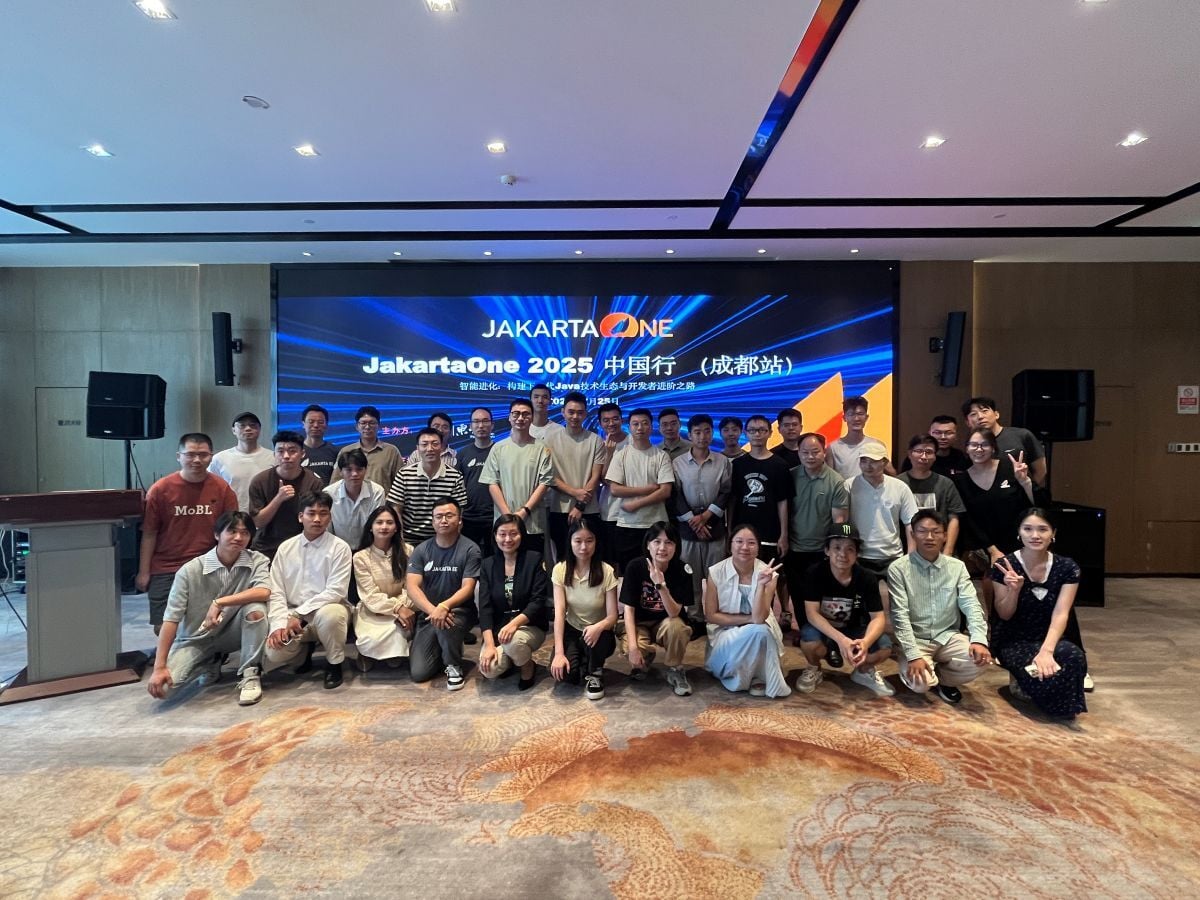
Developers value the utility of OSS and also its broader impact
A majority (59%) expect OSS to significantly drive their countries’ economic growth over the next decade. Further, over half (52%) view OSS participation as a means for their nations to contribute to global innovation.
Expected economic and global impact
A majority (59%) expect OSS to significantly drive their countries’ economic growth over the next decade. Further, over half (52%) view OSS participation as a means for their nations to contribute to global innovation.
Advancing the Sustainable Development Goals
Developers see OSS as advancing Sustainable Development Goals (SDGs), particularly in driving economic growth and job creation, improving access to quality education, and enhancing industry and infrastructure.
Influence across sectors
Its influence extends across sectors, notably in expanding educational opportunities, strengthening the software developer workforce, and fostering entrepreneurship and innovation.
“By promoting transparency and accountability, OSS aligns with sustainable development, forming a solid foundation for sustainable economic growth in the Global South over the coming decades.”
This influence is poised to increase further
Just over half describe this growth as “rapid.” This trend suggests a promising future for OSS ecosystems in this region.
Personal impacts
Several critical elements shape developers’ beliefs about the impact of OSS. One key factor is a strong correlation between developers’ personal and professional investment in OSS and their perception of its societal value. A significant majority (78%) view OSS as crucial for advancing their personal goals, while 73% consider it very important to their work or studies.
This personal and professional significance creates a virtuous cycle of OSS usage and benefits. Developers who place high importance on OSS tend to view it as more flexible (63%) and more secure (50%) than proprietary software, while also recognising its role in facilitating continuous learning (61%) and connecting them to a global community of peers who can provide guidance and advice (58%).
Personal importance of OSS
Developers who consider OSS personally important, compared to their peers.
Societal impacts
The impacts of OSS extend beyond personal benefits for these highly engaged developers. They perceive OSS as a key driver of economic and social progress. A majority (65%) of these developers believe that their countries’ digital sectors are fundamentally dependent on OSS.
In an open-ended question about local OSS impacts, 33% of participants highlighted its influence on technology and innovation. They noted that OSS makes technology more accessible to a wider population and contributes to overall improvements in software development practices.
An overwhelming 86% of participants agreed that OSS participation enables people from their countries to contribute to global innovation, fostering international collaboration and knowledge exchange. When asked about local impacts in an open-ended format, 46% of respondents pointed to economic and social benefits, including enhanced job creation and employment opportunities, as well as improved access to government and healthcare services.
OSS community maturity shapes perceptions
Switch between less and more mature OSS communities.
This correlation suggests that as OSS communities develop, their perceived positive impact on both economic and social fronts intensifies.
Insights from policymakers and OSS leaders
While our study primarily focused on developers, we also sought insights from policymakers and OSS leaders to gain a more comprehensive view of the OSS ecosystem in the Global South. These participants generally expressed strong belief in the positive impacts of OSS on their communities. One interviewee highlighted critical factors that will influence the direction of OSS communities, saying, “The direction of the community will depend on factors like government support, international partnerships, and the growth of technology education and infrastructure.”
They view the UN as playing a crucial role in facilitating collaboration and promoting OSS projects that align with the DPG definition, suggesting a growing recognition of the intersection between OSS, international development, and public policy3.
These policymakers advocated for partnerships between the UN and OSS foundations. Such collaborations are essential for effectively governing and promoting projects that qualify as DPGs. This recognition of the potential synergies between international organisations, OSS communities, and local development initiatives indicates a growing awareness among some policymakers of the importance of OSS and DPGs in development strategies for the Global South.
³ The UN Secretary General’s High-level Panel on Digital Cooperation called for a multi-stakeholder initiative to support the use of digital public goods, which resulted in the creation of the Digital Public Goods Alliance.
Sustainable development... means finding ways to grow the economy while also taking care of people and the environment. Collaboration between government, private sector, civil society, and international partners is essential to achieve sustainable development goals and create a more resilient and equitable future.
Open source software plays a crucial role in driving innovation, economic growth, and social development across the Global South
Developers in low-and middle-income countries are increasingly shaping the future of technology and OSS, bringing unique perspectives and innovative solutions to global challenges. Their contributions enrich the global OSS ecosystem with diverse approaches to problem-solving, often born from addressing local needs with limited resources. These developers are not merely adopting existing technologies, but actively creating and adapting OSS to suit their specific contexts, resulting in more versatile and globally applicable solutions and innovation. By participating in global OSS projects, they are fostering cross-cultural collaboration and driving innovation that benefits users worldwide, ultimately leading to a more inclusive and representative technological landscape.
Yet, there is still significant room for growth in OSS participation and engagement in the Global South region. To fully unlock this potential, we recommend efforts in the following key areas:
Enhance OSS adoption
- Implement robust security practices
- Provide career growth opportunities
- Ensure comprehensive documentation
- Promote appropriate OSS licensing
Foster multi-stakeholder collaboration
Encourage partnerships among governments, international organisations, NGOs, OSS foundations, educational institutions, and private companies to provide:
- Necessary infrastructure
- Mentorship and training programs
- Funding opportunities
- Job creation in the OSS sector
Specific recommendations for key stakeholders
Take advantage of OSS as an opportunity to experiment and build up high-demand skills. Actively engaged with the OSS community to build your network and deepen your understanding of the technology and trends you are working on. Leverage these collaboration and learning opportunities to drive career growth and innovation.
Create an OSS-friendly environment for companies, individual developers, and students. Promote community groups to foster networking and a broad support structure. Incentivise and support company engagement with OSS and the OSS community. Partner with OSS foundations to promote sustainable development goals and regional innovation.
Support developers by offering grants, sponsorships, and funding for OSS projects and foundations relevant to your business. Organise local workshops, hackathons, and meetups to foster collaboration. Identify potential employees based on their contributions to OSS projects.
By implementing these recommendations, we can nurture talent in the Global South, creating a more inclusive and innovative global OSS ecosystem. As these communities grow, their contributions will increasingly shape the future of technology, driving economic growth and international collaboration.
“Promoting open source software participation in the Global South requires building capacity and providing education to local communities. Develop training programs, workshops, and resources to help people gain the skills needed to contribute to OSS. This focus on capacity building ensures that your efforts have a lasting impact, fostering a new generation of open source developers in the Global South.”
How this research was conducted
This survey was conducted and produced by ClearPath Strategies, a strategic consulting and research firm, and commissioned by the Eclipse Foundation. Following are the firm’s research notes for this survey.
Respondent selection
The survey included 407 respondents sourced from a leading global online panel provider using both online sources and phone recruits. Additionally, 16 respondents were sourced via OSS community partners in the Global South.
Respondents were selected based on role, geographic location, and familiarity with and use of OSS. Selected respondents were further screened based on self-reported IT knowledge and attentiveness to survey questions.
Qualitative data was collected via 8 in-depth interviews and 9 qualitative survey responses with OSS community leaders and policymakers in the Global South.
Geographic quotas
The survey included respondents from 18 different countries. We combine these broadly into three geographical regions: Africa (51% South Africa, Kenya, Nigeria, Egypt, Ethiopia, Morocco, Lesotho, Gambia), Asia (36% India, Singapore, Vietnam, Indonesia, The Philippines, Thailand), and Latin America (11% Brazil, Argentina, Colombia, Chile).
Role
This survey was primarily limited to software developers in the Global South. A small number of policymakers were also interviewed to answer questions related to Digital Public Goods (DPGs) and Digital Public Infrastructures (DPIs).
Employment status
All participants were asked to provide their employment status, and only full-time or part-time employees or students were invited to participate in this research.
“Attention” level
It is easy for respondents to speed through surveys or not pay enough attention to provide useful data. We make an effort to exclude these respondents, as they provide generally less useful data. In this survey, respondents were screened out for “attention” reasons if they said they could explain the made-up term “Greenfield as a Service (GaaS)” to a colleague in the same question used for the Information Screen noted above.
A note on margin of error
It is technically impossible and improper to list a margin of error for a survey of this type. The respondents for this sample were recruited from a variety of sources, including online panels and phone recruits with support from regional open source community organisations. The relationship of this sample to the total universe of potential respondents, about which we do not know the true demographics, is unknown. As such, the exact representativeness of this, or any similarly produced sample, is unknown.
Respondents by industry
Collaborators
About the Eclipse Foundation
The Eclipse Foundation provides a global community of individuals and organisations with a vendor-neutral, business-friendly environment for open source collaboration and innovation. We host Adoptium, the Eclipse IDE, Jakarta EE, Open VSX, Software Defined Vehicle, and more than 450 high-impact open source projects. Headquartered in Brussels, Belgium, we are an international non-profit association supported by over 300 members. Our events, including Open Community Experience (OCX), bring together developers, industry leaders, and researchers from around the world. To learn more, follow us on X and LinkedIn, or visit eclipse.org.